




In today’s fast-moving world of technology and science, precision matters more than ever. Whether you’re working with data, formulas, or complex research inputs, even small miscalculations can lead to significant errors. That’s why having the right tools is essential. Modern digital solutions are designed to simplify accuracy and remove guesswork from the process. From advanced software to specialized platforms, getting your numbers right has never been easier, faster, or more reliable for both professionals and beginners alike.
From Manual Errors to Automated Precision
Manual calculations have long been a source of small but critical errors, especially in scientific and tech-driven workflows. As processes become more complex, relying on handwritten notes or basic spreadsheets can slow progress and increase risk. This is where automation steps in, transforming how accuracy is achieved. Tools like a peptide calculator eliminate guesswork by instantly providing precise measurements and conversions. By reducing human error and saving time, automated solutions allow researchers and professionals to focus more on analysis and less on repetitive calculations, ultimately improving both efficiency and confidence in results.
Why Accuracy Matters in Modern Scientific Work
Accuracy is a fundamental requirement in modern scientific work, where even the smallest mistake can lead to misleading conclusions or failed experiments. In fields driven by data and precision, reliable measurements ensure consistency, reproducibility, and trust in results. As technology advances, the volume and complexity of data continue to grow, making precision even more critical. Errors in calculations, dosing, or data interpretation can impact outcomes significantly. That is why scientists increasingly rely on advanced tools and validated methods to maintain high standards, reduce uncertainty, and support meaningful, evidence-based progress across research and innovation.
Choosing the Right Tool for Reliable Results
Choosing the right tool is essential for achieving reliable and consistent results in any scientific or technical workflow. Not all tools offer the same level of accuracy, usability, or flexibility, so it’s important to evaluate them based on your specific needs and the complexity of your tasks. Factors like precision, ease of use, speed, scalability, and data handling capabilities all play a key role in overall performance. A well-designed tool can streamline processes, reduce manual effort, and significantly minimize the risk of errors. It can also integrate with other systems, improving workflow efficiency. By selecting solutions that are trusted, regularly updated, and tailored to your workflow, you can ensure more dependable outcomes, better decision-making, and greater confidence in your results over time.
The Role of Digital Tools in Simplifying Complex Calculations
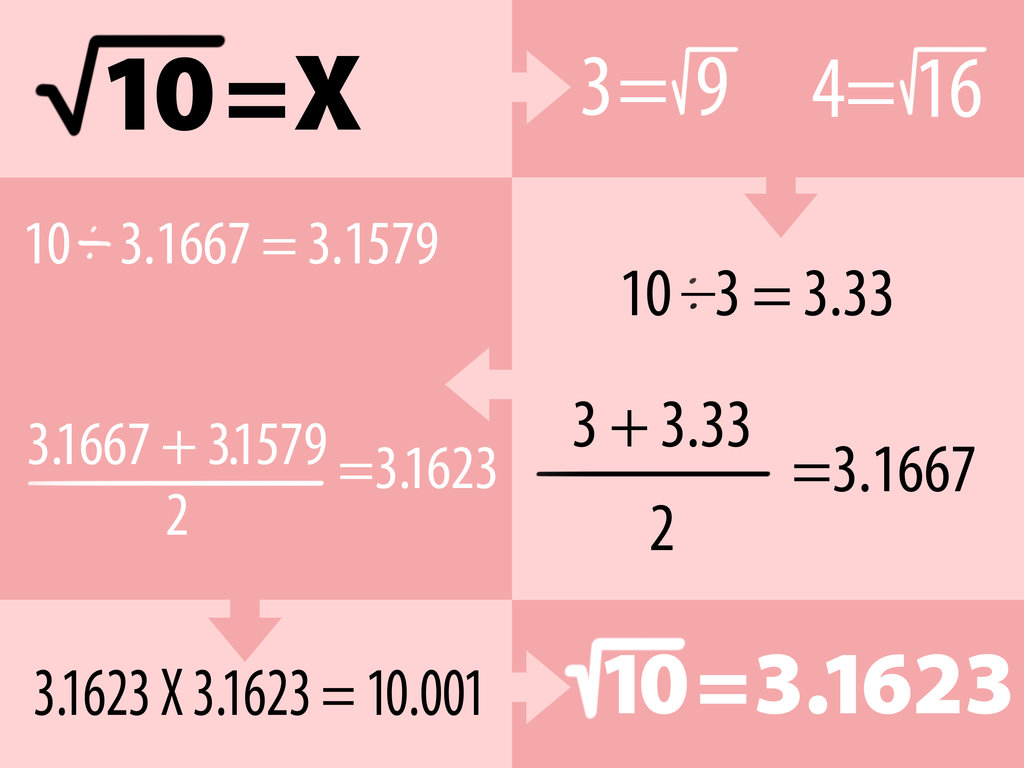
Digital tools have transformed the way complex calculations are handled across scientific and technological fields. Instead of relying on time-consuming manual methods, professionals can now use advanced software to process large amounts of data quickly and accurately. These tools significantly reduce the risk of human error while improving consistency, scalability, and overall efficiency. From automated formulas to intelligent systems that adapt to user inputs, digital solutions make even the most complicated calculations far more manageable. They also enable real-time adjustments and faster validation of results. By simplifying workflows and reducing repetitive tasks, these tools allow users to focus more on analysis, strategic decision-making, and innovation, ultimately driving better outcomes and more reliable performance.
Why Accuracy Matters in Modern Scientific Work
Accuracy is a fundamental requirement in modern scientific work, where even the smallest mistake can lead to misleading conclusions or failed experiments. In fields driven by data and precision, reliable measurements ensure consistency, reproducibility, and trust in results. As technology advances, the volume and complexity of data continue to grow, making precision even more critical than before. Even minor errors in calculations, dosing, or data interpretation can significantly impact outcomes and compromise entire projects. This is especially important in fast-evolving research environments where decisions are often made quickly. That is why scientists increasingly rely on advanced tools, automated systems, and validated methods to maintain high standards, reduce uncertainty, and support meaningful, evidence-based progress across research, development, and innovation.
Conclusion
In conclusion, accuracy and efficiency are at the core of modern scientific and technological progress. As data becomes more complex and workflows more demanding, relying on smart digital solutions is no longer optional but essential. The right tools not only reduce errors but also save valuable time and improve overall performance. By embracing technology that simplifies calculations and enhances precision, professionals can focus on what truly matters: innovation, analysis, and meaningful results. In a world driven by numbers, getting them right is the key to staying competitive and achieving long-term success.